
Blog
From Hobby to Heritage: The World of Paper and Coin Collecting

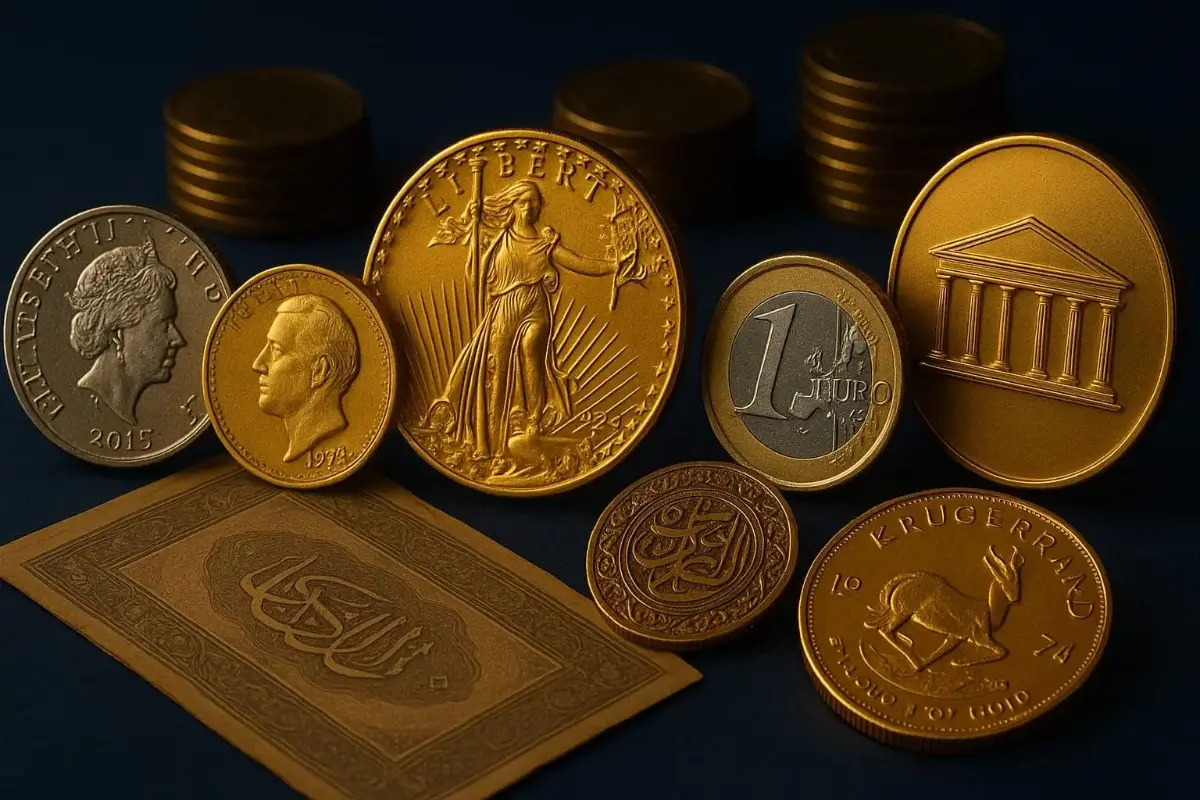
In an era increasingly dominated by digital currencies and cashless transactions, the practice of coin and banknote collecting—formally known as numismatics—retains its enduring charm. Far beyond a mere pastime, this pursuit serves as a unique portal into the historical, cultural, and economic fabric of civilizations across the globe. Each coin and banknote embodies a fragment of national identity, technological advancement, and historical narrative. What began as a hobby rooted in curiosity has now evolved into a reputable field of academic study and a promising avenue for long-term investment. This guide seeks to trace the development of numismatics, illuminating its historical foundations, modern advancements, and financial potential for collectors and investors alike.
Quick Overview: What You’ll Discover
- How bartering paved the way for coinage and banknotes
- The historical timeline of metal and paper currencies
- The evolution from basic paper to advanced polymer designs
- Why gold and silver coins still matter
- How numismatics became a formal science
- Storage, classification, and preservation tips
- Investment potential and associated risks
- The cultural significance of commemorative coins
The Origins of Trade: Before Coins and Notes
Long before the advent of minted currency or printed banknotes, human societies engaged in barter—an exchange system in which goods such as livestock, grains, or tools were traded directly. While effective in small communities, this system had limitations in value standardization and portability. These constraints prompted the search for universally accepted and transportable mediums of exchange.
Key Milestones:
- Mesopotamia: Used silver rings as a primitive form of currency.
- Ancient Egypt: Conducted trade through metal weights and grain measures.
- Ancient China: Developed bronze token systems, laying the groundwork for formalized monetary systems.
The Birth of Coinage: Metal as Money
The Lydians, who lived in what is now modern-day Turkey, were the first to mint standardized coins in the 7th century BCE using electrum, a naturally occurring alloy of gold and silver. These early coins revolutionized trade by providing an official guarantee of weight and value.
Why It Mattered:
- Coins bore the seal of the issuing authority, reinforcing trust and standardization.
- Facilitated easier calculation and large-scale trade.
- Gained wide acceptance across empires and regions, promoting economic expansion.
Paper Money: An Innovation from the East
China’s Tang and Song dynasties pioneered the issuance of paper money as a lightweight and efficient alternative to cumbersome coins. These innovations eventually spread westward through trade routes and influenced monetary systems worldwide.
Notable Developments:
- Marco Polo: His accounts introduced Europeans to paper currency practices in Yuan China.
- Sweden: First European country to issue banknotes in the 17th century.
Evolution of Currency Technology
Currency security and durability have evolved dramatically, particularly in the past century. From watermarking to polymer notes, innovations have aimed to combat counterfeiting and prolong circulation life.
Stages of Innovation:
- Watermarks, security threads, and microprinting: First line of defense against forgery.
- Color-shifting inks and holograms: Introduced in modern high-value notes.
- Polymer substrates: Offer increased durability and sustainability. Countries like Australia and Canada have fully adopted polymer banknotes.
Fun Fact: Polymer banknotes are estimated to last 2.5 times longer than traditional paper notes.
From Bullion to Bronze: Evolution of Coin Materials
Historically, coins were minted from precious metals like gold and silver, serving both monetary and intrinsic value. Over time, practicality and cost considerations led to the use of alloys and base metals.
Current Materials Include:
- Plated steel cores: Often used in modern circulation coins.
- Bi-metallic coins: Feature two different metals for security and aesthetics (e.g., Euro coins).
- Collector editions: Made of silver, gold, or even platinum.
Numismatics: The Science Behind the Hobby
Numismatics is not merely a hobby—it is an interdisciplinary field of study encompassing art, history, economics, and archaeology. Collectors often delve deep into the provenance, minting processes, and sociopolitical context of their items.
Key Branches of Study:
- Exonumia: Tokens, medals, and similar items.
- Notaphily: Study of paper money.
- Scripophily: Focused on historical financial documents.
- Ancient vs. Modern Numismatics: Tracks the evolution from early currency to present-day practices.
Types of Coins and Notes to Collect
Collections can be customized to reflect personal interests, historical curiosity, or investment strategy.
By Era:
- Classical antiquity (Greek and Roman)
- Medieval Islamic coinage
- Contemporary commemoratives
By Theme: Wildlife, mythology, architectural landmarks, royalty
By Region: Middle Eastern, European, Asian, and African currencies
Preservation: How to Store and Protect Your Collection
Proper storage is critical to maintaining the aesthetic and market value of a numismatic collection.
Best Practices:
- Use acid-free sleeves for paper currency.
- Store coins in archival-quality flips or capsules.
- Avoid abrasive cleaning methods.
- Keep in a temperature-controlled and humidity-stable environment.
Pro Tip: Always handle coins by their edges and use gloves to avoid fingerprint damage.
Commemorative Coins: Art Meets History
Issued to honor events, individuals, or national milestones, commemorative coins hold both artistic and historical value. These often come in limited editions and may include intricate designs or precious metal content.
Examples:
- Olympic Games commemoratives
- Royal jubilees or coronations
- Anniversaries of pivotal scientific or historical events (e.g., moon landing)
From Passion to Profit: Coins as Investment
What starts as a personal fascination can develop into a meaningful financial venture. Rare or historically significant coins and notes have shown consistent appreciation over time.
Investment Tips:
- Begin with certified, graded coins (e.g., PCGS, NGC).
- Diversify across historical periods and regions.
- Monitor auction trends and market data.
Why It Works: Combines tangible metal value with rarity and historical significance.
Quick Guide: Starting a Collection Without Getting Overwhelmed
Common Challenges:
- Choosing what to collect
- Budgeting wisely
- Avoiding counterfeits
Helpful Tips:
- Focus on a specific theme, region, or era.
- Start with affordable items and learn grading standards.
- Purchase from reputable sellers and dealers.
- Join numismatic clubs or online forums for mentorship and exchange.
Why It Helps: Reduces mistakes, encourages learning, and fosters community engagement.
FAQs
Q: Are old coins always valuable?
A: No. Value depends on rarity, condition, demand, and historical context.
Q: What’s the safest way to clean coins?
A: It’s generally advised not to clean collectible coins. Cleaning can reduce their numismatic value.
Q: Can collecting be profitable?
A: Absolutely. Especially with rare or error coins that hold investment potential.
Q: What is the difference between numismatics and notaphily?
A: Numismatics covers all currency forms; notaphily focuses exclusively on paper money.
Conclusion
From ancient barter systems to high-tech polymer notes, the story of currency parallels the advancement of civilization itself. Whether pursued out of nostalgia, scholarly interest, or financial gain, numismatics bridges the past and future. As your collection grows, so does your connection to the rich legacy of human exchange. Let your passion evolve—one coin at a time—into a lasting legacy.
Recommended Resource
To expand your knowledge, visit the American Numismatic Association. This platform offers educational resources, certification information, and a global collector community.
Happy Collecting!


